How Does Your Personality Affect Your Friendships? Understand It Through the Big Five Model

Some friendships flow effortlessly. Others feel like constant friction. What explains this difference? One key factor might be your personality profile. The Big Five Personality Traits—a scientifically validated psychological model—offer a powerful lens to understand how you behave, connect, and respond in social settings.
These five traits—Openness, Conscientiousness, Extraversion, Agreeableness, and Neuroticism—reveal how you interact with the world and the people in it. Understanding your personal scores on each dimension can help you form stronger, more fulfilling connections. Let’s explore how your personality influences your friendships—and how you can use this insight to build better relationships.
You will read about:
- 1. Why Some Friendships Work—And Others Don't
- 2. What Is the Big Five Personality Model?
- 3. The 5 Traits That Shape Your Social Relationships
- 4. How to Improve Your Friendships by Knowing Your Personality
- 5. Take the Big Five Test and Discover Your Relationship Style
Why Some Friendships Work—And Others Don’t
Have you ever felt completely understood by someone—while struggling endlessly to connect with another person? These social mismatches are not random. Often, they’re rooted in personality differences.
For example, highly conscientious people tend to value punctuality, organization, and structure in friendships. When paired with someone more spontaneous or disorganized, conflict can arise. Similarly, those high in extraversion may crave frequent social interaction, while introverts may prefer deep, quiet connections. These preferences don’t make one type of person better than another—they just show how different personality traits can either align or clash.
Personality impacts communication style, emotional expression, conflict resolution, and the level of intimacy you seek in a relationship. By recognizing where you and your friends differ—or align—you gain clarity. Rather than assuming a friendship is “difficult” or “not meant to be,” you might realize it’s a matter of differing personality traits.
What Is the Big Five Personality Model?
The Big Five model is one of the most widely researched and respected frameworks in psychology. It organizes personality into five broad dimensions:
• Openness to Experience: Curiosity, creativity, and openness to new ideas
• Conscientiousness: Organization, responsibility, and attention to detail
• Extraversion: Sociability, energy, and assertiveness
• Agreeableness: Kindness, empathy, and cooperation
• Neuroticism: Tendency toward emotional instability, anxiety, and moodiness
Developed through decades of psychological research, including the work of McCrae and Costa (1987), the model is used across cultures and age groups. It helps individuals and professionals alike understand behavior, preferences, and social compatibility.
In the context of friendships, the Big Five serves as a powerful tool to explore how you relate to others. Are you quick to forgive? Do you need lots of alone time to recharge? Do you thrive in social situations or avoid them? Your answers lie in your personality profile.
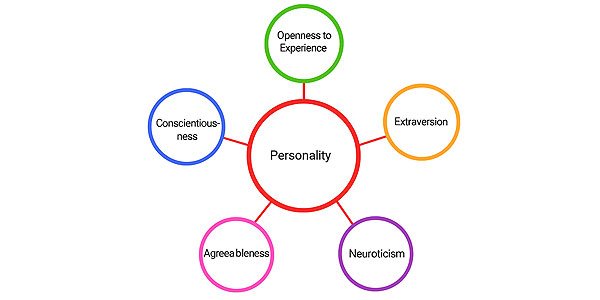
Self-The 5 Traits That Shape Your Social Relationships
Each of the Big Five traits plays a unique role in how you form and maintain friendships:
• Openness: High openness may make you more accepting of different perspectives and willing to try new social experiences. However, low openness might make you prefer routine or familiar relationships.
• Conscientiousness: Friends who are highly conscientious tend to be dependable and loyal. But they may also become frustrated with last-minute changes or perceived disorganization.
• Extraversion: Extraverts seek connection and social energy. They often initiate conversations and enjoy group settings. Introverts may prefer one-on-one interactions and require more personal space.
• Agreeableness: This trait supports empathy, kindness, and emotional intelligence—critical for resolving conflict and building trust.
• Neuroticism: High levels of neuroticism can create emotional ups and downs that challenge friendships. Awareness and emotional regulation can make a big difference.
The combination of these traits is what truly matters. For instance, someone high in extraversion and agreeableness may find it easy to make new friends but struggle to maintain them if their neuroticism is also high. Another person may be low in extraversion but high in conscientiousness and agreeableness—leading to deep, long-term friendships that are built on trust and dependability.
How to Improve Your Friendships by Knowing Your Personality
Once you understand your Big Five personality profile, you unlock the ability to approach friendships more strategically and empathetically. It’s no longer about labeling relationships as “toxic” or “difficult”—it’s about understanding dynamics.
Let’s say your test shows high conscientiousness but moderate agreeableness. You might find it hard to tolerate disorganized friends, but knowing this, you can practice more patience or communicate your needs more clearly. If your neuroticism is high, working on emotional regulation and stress management can reduce conflict and improve how you connect with others.
Awareness leads to growth. It allows you to set realistic expectations, choose the right friends for your personality type, and build deeper bonds. You can even share your results with close friends to compare and learn from each other.
Moreover, understanding personality can help you avoid misunderstandings. If your friend is an introvert, you’ll know that their quietness isn’t disinterest—it’s how they recharge. If you’re high in extraversion, they’ll know not to take your talkativeness as dominance.

Take the Big Five Test and Discover Your Relationship Style
Want to strengthen your friendships and understand yourself better? Start with the Big Five personality test. This scientifically backed assessment will give you insights into how you think, feel, and relate.
The test only takes a few minutes and can be the first step toward more authentic and fulfilling relationships. You’ll see where you score on each of the five traits and get a clear picture of your social strengths—and areas for growth.
Whether you’re curious about why certain friendships feel easy or why some bring tension, your personality profile can offer clarity. And when you understand yourself, it becomes easier to understand others.

Your friendships reflect your personality. By understanding your Big Five profile, you gain a powerful tool to navigate relationships with greater empathy, clarity, and purpose.
Take the free Big Five personality test today and discover how you naturally connect—and how to improve those connections in meaningful ways.
💡 Take the Next Step
Discover how your personality influences your friendships based on the Big Five psychological model. This free test examines the key personality traits and is divided into five parts: Openness, Conscientiousness, Extraversion, Agreeableness, and Neuroticism.
👉 Take the Test Now — Discover how your personality influences your friendships
References
- Asendorpf, J. B., & Wilpers, S. (1998). Personality effects on social relationships. Journal of Personality and Social Psychology, 74(6), 1531-1544. https://doi.org/10.1037/0022-3514.74.6.1531
- McCrae, R. R., & Sutin, A. R. (2009). Openness to experience. In M. R. Leary & R. H. Hoyle (Eds.), Handbook of individual differences in social behavior (pp. 257–273). Guilford Press.
- Nettle, D. (2007). Personality: What makes you the way you are. Oxford University Press.
- Corr, P. J., & Matthews, G. (Eds.). (2009). The Cambridge handbook of personality psychology. Cambridge University Press.
- Images: Freepik